
What do California and Michigan have in common besides thousands of miles of coastline? I would argue that as the 2 most agriculturally diverse states we are both poised to create jobs and opportunities around an often overlooked and neglected market sector, namely farming. Elanor Starmer blogs that "the midsized family farms that used to dominate U.S. agriculture are disappearing, and with them, the jobs they once brought on and off the farm. That's largely a consequence of the fact that over the last few decades, the number of companies that buy food from farmers, process it, and distribute it to consumers has shrunk while the size of the few left has grown dramatically" If you replace California with Michigan and SF Bay Area with GT Bay Area the similarities are uncanny.
So, how can you help? One way is to "buy local" whenever you can. The Michigan Land Use Institute has a great program, "Spend 10 Local Dollars" and the resources to help. Check it out and let's help build more of those mid-sized farms that are crucial to our health and well being, economic growth, and food safety. Take the pledge!
Thursday, August 18, 2011

Wednesday, August 17, 2011
Good food for our kids
Our own Kelly Lively tells it how it is
Sleeping Bear Dunes, Michigan Voted Good Morning America's 'Most Beautiful Place' - ABC News
Another post that's not about food, but a big shout out for our neighbors, suppliers and clients in Leelanau and Benzie Counties.
Tuesday, August 9, 2011
recognition for some of our friends
Adding to the recognition that we have something going here
Tuesday, August 2, 2011
Not about food
This isn't about food or Cherry Capital Foods, but about our "hometown"
Check this link:
*OFFICIAL* Traverse City LipDub 2011 - YouTube
Thursday, July 28, 2011
Nice mention for our region
Summer resident touts where to go
Some of our clients and partners ...
Nice
Monday, July 18, 2011
Vanishing Varieties
A study conducted in 1983 by the Rural Advancement Foundation International found evidence that we are losing diversity in our fruit and vegetable crops. The survey, which included 66 crops, found that about 93 percent of the varieties had gone extinct.
Mother Nature knows the key to a resilient food system is diversity. Certainly we need more up to date information but to me it's a reminder to buy local and educate ourselves to the rich texture of flavors and colors found in the multitude of heirloom crops we have have here in Michigan.
Click here to see the graph.
Mother Nature knows the key to a resilient food system is diversity. Certainly we need more up to date information but to me it's a reminder to buy local and educate ourselves to the rich texture of flavors and colors found in the multitude of heirloom crops we have have here in Michigan.
Click here to see the graph.
Thursday, July 14, 2011
Monday, June 13, 2011
One more reason to eat locally
Just in case we needed a reminder of why we prefer to eat locally raised chicken along comes some interesting news on the use of arsenic in "enhancing" the growth rate of factory farmed poultry. Read this on-line article in "grist" and learn about hoe few chickens are ever tested by the USDA.
Wednesday, June 8, 2011
Still on Asparagus
Asparagus and Eggs Take Center Stage - A Good Appetite - NYTimes.com:
"Asparagus and eggs have an affinity for each other. The voluptuous yolk softens and smoothes the grassy sharpness of the vegetable, while the asparagus brightens up the dull richness of the egg."
Monday, May 30, 2011
Memorial Day
Let's not forget
The commercial above was created by James Gartner of Traverse City.
Speakers : James Gartner | TEDxTraverseCity
Speakers : James Gartner | TEDxTraverseCity
Saturday, May 28, 2011
Fit
Some of the issues that need to be addressed, such as job skills.
We also think it's important to know that you can't "do everything"
Find what you are best at, and fit that niche.
Thursday, May 19, 2011
If you are going to be a carnivore...
It's best to make as much use of the animal as possible
"Boutique butchers are booming as chefs and home cooks look to eat all the parts of the animal -- from nose to tail."
"McCall's is one of a growing number of gourmet butchers opening around the country. The chop from Fat the pig will cost $18 a pound -- about three times as much as grocery store pork. McCall says his customers want, first and foremost, good food. It's hard to ever call meat really good for the environment -- it takes far more resources to grow animals than plants. But some customers come in thinking about sustainability. And there's a sense among dedicated meat eaters -- if you're going to eat meat, the most ethical way to do it is to eat all of the animal."
Monday, May 9, 2011
It's time - Asparagus
That lovely stalk, how do we cook it ... let's count the ways.
While imported may make it "year round" - we have fresh and local !
"It takes effort to maintain a sense of seasonality with asparagus, given that it has become a year-round product. But right now even the stuff in supermarkets may come from a local source — so that the stalks snap rather than bend when you apply pressure and the aroma and flavor are fresh rather than simply strong."
Friday, May 6, 2011
Are foodies elitists?
Any time I hear the term "elitist" being aimed at a group or person, I smell someone who doesn't have an effective argument, resorting to name calling. Read Eric Schlosser's (Fast Food Nation) response to the American Farm Bureau Federation's recent attempt to marginalize those who feel good food matters. Click here to learn more.
By the way, asparagus is only a week away...
By the way, asparagus is only a week away...
Sunday, May 1, 2011
Rock & Roll
Our crew is read to Rock & Roll this coming season.
Moving fresh product from our growers to your favorite restaurant, school, grocery or resort.
Watch for us on the road and watch for some pending news.

Monday, April 25, 2011
PR stuff
There is a saying, it doesn't matter what you say about us, as long as you get our name right - but please get our name right.
We appreciate the mention, but would prefer right name, and right market (not that we have anything against Yoopers)
We'll keep working to get things right, both internal and externally.
Sunday, April 24, 2011
We are here to help.
The train is coming down the track, and CCF is here to help move product from producer to market.
Small businesses do provide a smaller portion of the food supply, Mr. Plunkett said, but 'that's small comfort to the people who suffer from food-borne illness.'
While there are costs associated with implementing safety controls, it's just part of the cost of doing business, he said."
Wednesday, March 30, 2011
Thank you Twain for the mention
Twain Schreiber, food and beverage director for Grand Traverse Resort & Spa.
Twain : you'll get use to winters, and they make spring that much more spectacular.
We're proud to partner with you for sourcing local, and agree on the importance of food safety and tracking.
Sunday, March 27, 2011
Open House

We ended up with something between 125 and 150 friends
Hardly any time to take photos, so here are a few done during set up here
Kudos to the hard work by all the staff.
Friday, March 25, 2011
The cat's out of the bag
We've been saying this for some time.
We support CSA's, Farm Markets, but to really get this working, we need to do some serious business - get to more customers, where most of them shop.
This is an IMPORTANT READ
"It is time to make local passe. It is time to make regional the new local. Enough of farmers markets, CSAs, and direct on-farm sales. Yes, they are exciting -- they feel like they are getting us somewhere. And, to be honest and give them their due, they have gotten us somewhere. The reality, however, is that they will never get us there, whither goest we must if we want to make a change -- real change. I will say it as straight as I can: I want to see my pork in Price Chopper (a supermarket).
Can this be done with integrity? Yes, yes it can. But, you'll need to have faith and let me, the friendly face you like to see at the farmer's market, recede into the background again, let me fall out of the limelight into the limeless light of the sun shining brightly on me and the critters living lovely on the fields."
Can this be done with integrity? Yes, yes it can. But, you'll need to have faith and let me, the friendly face you like to see at the farmer's market, recede into the background again, let me fall out of the limelight into the limeless light of the sun shining brightly on me and the critters living lovely on the fields."
Thursday, March 24, 2011
Good Trends
Mark tallies up 6 trends from better awareness of good food, to better school food ... we seek to support these trends.
"The great American writer, thinker and farmer Wendell Berry recently said, “You can’t be a critic by simply being a griper . . . One has also to . . . search out the examples of good work.”"
Monday, March 14, 2011
Celebrate Spring! CCF Open House March 22nd
The sun is shining and the snow is melting! Spring will be here before we know it. To celebrate, we are hosting an open house at our new facility on March 22nd from 2 to 7pm.
Tour our newly renovated warehouse and facility. All of our product lines are on display for your perusing with special show pricing available. Enter our drawing to win passes to Boyne Mountain's Chef's Challenge. This event is catered by Mission Table and Epicure Catering with Happy Hour starting at 5pm.
RSVP Here!
Our new address: 807 Airport Access Road, Suite 111 Traverse City, MI 49686
View Larger Map
Tour our newly renovated warehouse and facility. All of our product lines are on display for your perusing with special show pricing available. Enter our drawing to win passes to Boyne Mountain's Chef's Challenge. This event is catered by Mission Table and Epicure Catering with Happy Hour starting at 5pm.
RSVP Here!
Look for our fleet of vehicles parked out front!
Our new address: 807 Airport Access Road, Suite 111 Traverse City, MI 49686
View Larger Map
Saturday, March 5, 2011
What's Local
Further on the idea of Local
We have decided to declare that Local is "What our Customers decide it is"
Some may want to concentrate on 100 miles from our HQ in Traverse City.
Some may consider from Michigan to be local.
We will seek to be aware of what our clients want and respond appropriately.
Just let us know what your criteria are and be aware that others may have different criteria.
We have decided to declare that Local is "What our Customers decide it is"
Some may want to concentrate on 100 miles from our HQ in Traverse City.
Some may consider from Michigan to be local.
We will seek to be aware of what our clients want and respond appropriately.
Just let us know what your criteria are and be aware that others may have different criteria.
Thursday, February 24, 2011
Local or not?
It has come to our attention that there may be some confusion about our goal of being a local to local food distribution company.
Why do we offer products from outside our core area of NW Michigan (roughly 150 mile radius around Traverse City) ?
Quite simply
1) to make some profit that can help support our local to local goals
2) serve our clients
What products will we offer that are not local ?
Those that do not compete with our local suppliers
Example : we will not sell Washington Apples against Michigan Apples - period.
But can anyone show us Michigan olive groves?
Until anyone can, we'll offer fine olive oils from our partner Earthy Delights
Why do we offer products from outside our core area of NW Michigan (roughly 150 mile radius around Traverse City) ?
Quite simply
1) to make some profit that can help support our local to local goals
2) serve our clients
What products will we offer that are not local ?
Those that do not compete with our local suppliers
Example : we will not sell Washington Apples against Michigan Apples - period.
But can anyone show us Michigan olive groves?
Until anyone can, we'll offer fine olive oils from our partner Earthy Delights
Tuesday, February 8, 2011
Sunday, January 23, 2011
Thursday, January 20, 2011
Congrats to our friend Ted
Although Ted is (currently) outside of our service area, he and Erika have been supporters and friends
Our congrats !

Monday, January 17, 2011
We've Moved !!!
Finally
Move is complete !!!
807 Airport Access
Suite 111
Traverse City MI 49686
We are on the Parson's Road side, facing the airport
Monday, January 10, 2011
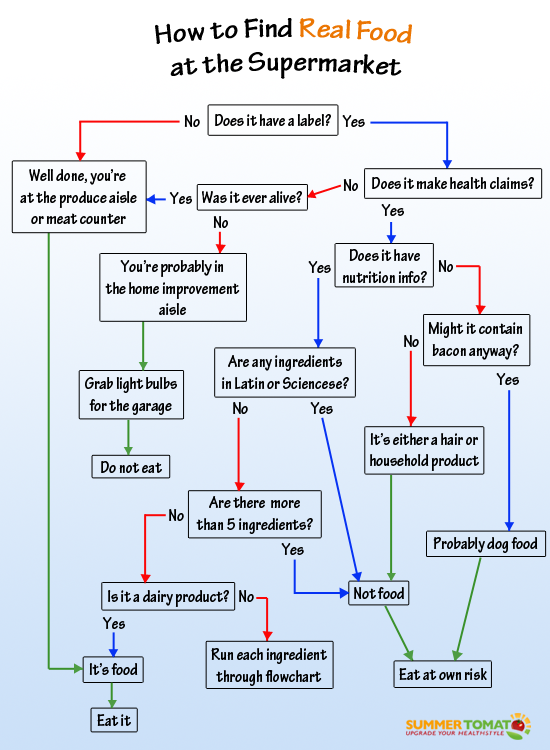
Food
With apologies to our branded product clients
Tuesday, December 28, 2010
Remember, you an order from us
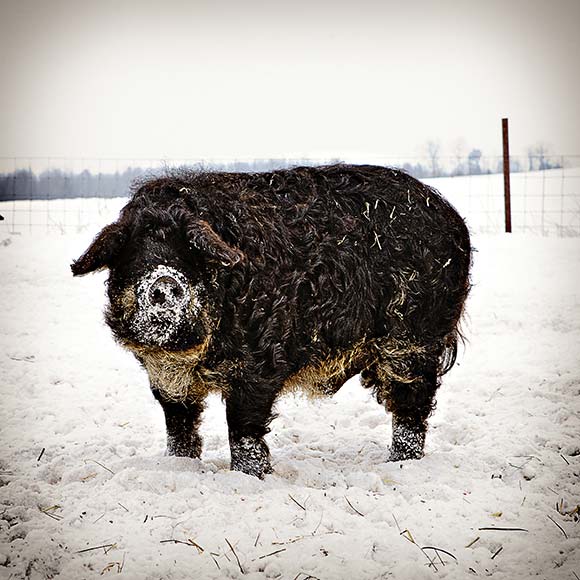
Yes, true, pure blooded Mangalitsa
Remember it's the breed and the raising
Not just a fat Hog
Contact Dave
"To produce their fabulous fat, Mangalitsas are raised for more than a year and can weigh over 300 pounds, more than fully grown Berkshires, for instance. Industrially bred pigs are slaughtered after no more than six months, at around 175 pounds. Only some 50 Mangalitsas are processed nationally each week — in comparison with more than 2 million pigs a week for all breeds, according to the National Pork Producers Council."
and
"Mangalitsas, which have charcoal black coats, tan underbellies and twisty woolly tails, were historically raised for lard and prized for their mellow, silky fat. In an interview, the food writer and former New York Times restaurant critic Ruth Reichl called it “the single best pastry fat I’ve ever found.” Their popularity declined with the substitution of cheaper vegetable oils for lard, and the availability of hogs that were leaner, faster-maturing and less expensive, but also less flavorful. Purebred Mangalitsas nearly vanished until a Hungarian geneticist worked to revive the breed several years ago."
Sunday, December 19, 2010
Thursday, December 16, 2010
Pastured
Nice piece by Anne Stanton
Insightful and informative
Mention of some of the folks we are in contact with, and nice mention of our "Buying Club" option.
Some insight as to our role:
With Cherry Capital serving as
a distributor, farmers have less paperwork and families have to do
less legwork, because Cherry Capital deals directly with the farmers
and will deliver to a home. A minimum order is $400, said Evan Smith,
senior operations manager.
a distributor, farmers have less paperwork and families have to do
less legwork, because Cherry Capital deals directly with the farmers
and will deliver to a home. A minimum order is $400, said Evan Smith,
senior operations manager.
“One of the issues that we as a community need to address on local
food is what is the value of distribution,” Evans said. “Some farmers
are distributors, but they would rather just farm, and we need, as a
community, to sort out how we want to value distribution. The exciting
thing is that the community is having a conversation on how food can
be fresh and delivered on a regular basis.”
Saturday, December 11, 2010
And we've got 'em
Call Dave, we're going to run out soon
An article called "The Hot List" naming lots of food trends is the following
Soo-wee on Steroids
The Pig of the Year is the curly-haired Mangalitsa, a massive hog and half known for its thick layer of lard, imported from its homeland in Hungary and the Balkans by Wooly Pigs of Washington State, whose owner, Heath Putnam, declared the appearance of the Hungarian Wooly as "the beginning of a lard-type revolution in this country."
Immediate fans include Tom Colicchio, April Bloomfield (of the Spotted Pig) and Bradford Thompson (formerly of The Lever House) all in New York City.
Monday, December 6, 2010
Stuff we believe in too
The trend is our friend.
"“Locally sourced food and a focus on sustainability is not just popular among certain segments of consumers anymore; it has become more mainstream. Diners are requesting to know where their food comes from, and are concerned with how their choices affect the world around us,” said Michael Ty, American Culinary Federation national president."
| The top 10 menu trends |
|
Monday, November 29, 2010
You get what you pay for
We, at CCF, agree
"In an interview with CNN, Keller made the case for going to extraordinary lengths to get the best ingredients, for paying suppliers more and for paying restaurant staff well. He took issue with what he described as the economy's relentless drive for producing and selling goods more cheaply."
Friday, November 19, 2010
Bit of insight
Russell Simmons :
"And as a businessperson, you can guarantee the long term success of your business by offing a product that promotes the kind of lasting success, lasting happiness, that you want for yourself. In seeking that, you sharpen your business choices. It happens naturally. As you start to have faith in the concept that what we give is what we get, you find that you start to move away from things that you don't like, that you don't want yourself, until even the things that produce marginal short-term happiness become marginal.
Wednesday, November 17, 2010
Harvest @
Harvest @ continues
We are repeating this event, with a twist
Limited seating is being made available to the public
$75 a plate for Five Course Feast
Chef Randy Chamberlain is moving (for the night) to Mission Table to join Chef Paul Olson.
Last year was a hit, we hope this year is even better.
Saturday, November 6, 2010
Exclusive
Cherry Capital Foods and our partners at Earthy Delights are proud to be your exclusive suppliers of Michigan Mangalitsa from Baker's Green Acres
Christoph and Isabell declared Bakers Mangalitsa to be the "best they've seen in North America"
Christoph Wiesner demonstrating seam butchery

Friday, October 29, 2010
One of our projects
We are working closely with the folks at Bakers Green Acres/Michigan Mangalitsa
Good stuff on local and small operator focus.
Thursday, October 28, 2010
Michael Ruhlman on cooking
Good short clip
The book referenced is
Catching Fire : how cooking made us human
by Richard Wrangham
Cooking is very important
Monday, October 18, 2010
Changes
Cherry Capital Foods isn't the only one moving
Eric and Jenn are moving Cook's House
Nine Bean Rows opens a bakery in the old Cook's house space
Things are happening
"Going, going, gone ... sort of
As a name, Wellington Street Market is a thing of the past. But customers can still get their favorite Wellington lunches and take-out, heat-up dinners at the Cooks' House, now located in the former market spot at 115 Wellington St.
The two eateries recently combined to make more seating for the Cooks' House — a prerequisite for a liquor license, said Chef Eric Patterson. The move boosts the restaurant to 30 seats and means two extra seatings during the most popular dinner hours, he added."
As a name, Wellington Street Market is a thing of the past. But customers can still get their favorite Wellington lunches and take-out, heat-up dinners at the Cooks' House, now located in the former market spot at 115 Wellington St.
The two eateries recently combined to make more seating for the Cooks' House — a prerequisite for a liquor license, said Chef Eric Patterson. The move boosts the restaurant to 30 seats and means two extra seatings during the most popular dinner hours, he added."
Thursday, October 7, 2010
Local is it
But we knew that didn't we?
"The chefs were also surveyed on what would be the hottest food trends overall in 2010, with locally grown produce, locally sourced meats and seafood, sustainability, bite-size/mini desserts and locally produced wine and beer rounding out the top 5."
Localism
Late post

Headed to the Local Food event being put on by Oryana
More here
Join us for "A Toast to Farmers" with Michael Shuman, author of "The Small-Mart Revolution", Thursday, October 7, 6 - 9 p.m. at the Hagerty Center. This will be a very special event featuring a mouth-watering bounty of hors d'ouevres made with fresh, local produce from our farmers. Enjoy live music with the Neptune Quartet. We will have a special tribute to our farmers with a slide show dedicated to them, followed by a presentation by Michael Shuman, noted localist and author of The Small-Mart Revolution: How Local Businesses are Beating the Global Competition.
Getting ready for our move
Work being done to prep for our move
New pads under where the walk in freezers go, pumping out material from some floor drains we found ... likely couple weeks delay, but we are moving!

Wednesday, September 22, 2010
Meet the Bakers
Edible Grand Traverse Fall 2010
Nice profile of Mark/Jill and family.
Flip to page 10-11
Home of Bakers Acres chicken, soon to be known for Mangalitsa Pigs
Thursday, September 16, 2010
For fans and others of PigStock
We have set up
PigStock TC on facebookWe'll be posting materials here, and on PigStockTC - the blog
Lots more as we sort things out
Stay tuned
Friday, September 10, 2010
New Staffer
Welcome to Brent Jansen, our new warehouse manager
Of note : starting Monday, our new ordering guidelines.
In an effort to guarantee on-time and professional delivery of your orders, Cherry Capital Foods has implemented a cut-off time for next-day orders. Any orders placed after 3pm cannot be guaranteed for the next day but will be delivered for the next scheduled delivery date. If you have any questions or comments regarding this policy, please discuss it with your sales representative at your earliest convenience. We thank you for your business and look forward to assisting you with your Michigan-made needs in the future
Thursday, September 9, 2010
Coming this Fall
Three days of food mayhem - sorry, just had to say that.
This is a professional chefs and food professionals only event.
We'll be going "whole hog" on Michigan Mangalitsa pigs, from slaughter to seam butchery, to charcuterie and cooking/pastry.
Event will be November 1 to 3 at NMC Culinary Institute/Hagerty Center.
We don't have our brochures put together yet (we're still working on details, but it will rock) if you just can't wait, contact Dave.
Tuesday, September 7, 2010
We're moving
Lease signed, we're moving
We take possession Sept 15th
Photos once we get settled in
Bigger and better, we'll have 3X the space, more than doubling our cooler and walk in freezer space, planning some good things where we can partner more, enhance our services.
So, watch this space.
Wednesday, September 1, 2010
Eggs
The following has been much in the news lately.
We chose the following just as a representative story.
Our point is that, here at CCF, we sell "free range" eggs.
Our selection is here
"Barns infested with flies, maggots and scurrying rodents, and overflowing manure pits were among the widespread food safety problems that federal inspectors found at a group of Iowa egg farms at the heart of a nationwide recall and salmonella outbreak."
(photo from NYTimes, Iowa factory farm, not related to CCF)

Brian C. Frank for The New York Times
The Wright County Egg farm near Clarion, Iowa.
By WILLIAM NEUMAN
Published: August 30, 2010
Monday, August 30, 2010
Watch this spot
We've been working on what should be a great event this fall
A celebration of the Mangalitsa
We're thinking of calling it Pigstock TC
We'll be working with Michigan Mangalitsa, and our friends at Earthy Delights to bring experts in seam butchery and charcuterie from both the US and Europe for everything from Slaughter to Butchering to charcuterie and curing.
So watch this blog for more information.
Congrats to Staff
Quick Note : as of last week, CCF has exceeded total sales for ALL of 2009 !
Big thanks to all the staff for this.
And we're just getting started.
Monday, August 23, 2010
Audit
Great big THANKS to staff for this:
Sub-Contracted Audit # (128968)
Storage & Distribution Center v08.06
Customer:
Cherry Capital Foods
Auditee Name:
Facility: Cherry Capital Foods
Audit Date: 8/13/2010 9:00:00 AM
Type of Audit: Storage & Distribution Center
Audit Score: 96%

Sub-Contracted Audit # (128968)
Storage & Distribution Center v08.06
Customer:
Cherry Capital Foods
Auditee Name:
Facility: Cherry Capital Foods
Audit Date: 8/13/2010 9:00:00 AM
Type of Audit: Storage & Distribution Center
Audit Score: 96%

Saturday, August 21, 2010
On the road
Been busy, but not too busy to support local events
Got this today in the email
From Frankfort

and ...
Cookin!

Monday, August 2, 2010
Be there or Be Square
Another event we're involved with
Aug 6th, 5-10PM Clinch Park
Nonprofits benefit from Batali's generosity - Traverse City Record-Eagle
Here at CCF, we're proud to be associated with these events, providing ingredients.
If ya gotta eat ... eat local.
"Mario Batali advocates for 'absolutely delicious, simple food.'
That's the kind of fare that will be served at two local events featuring the celebrity chef, TV personality and restaurateur. Batali, who has a home in Leelanau County, will be at The Village at Grand Traverse Commons in Traverse City on Saturday, Aug. 14, as part of the National Writers Series. He also again will donate an afternoon lunch for 12 people to be auctioned off Thursday, Aug. 5, for the Leelanau Conservancy."
That's the kind of fare that will be served at two local events featuring the celebrity chef, TV personality and restaurateur. Batali, who has a home in Leelanau County, will be at The Village at Grand Traverse Commons in Traverse City on Saturday, Aug. 14, as part of the National Writers Series. He also again will donate an afternoon lunch for 12 people to be auctioned off Thursday, Aug. 5, for the Leelanau Conservancy."
Sunday, July 25, 2010
Promo Video
World Premier of MLUI-The Movie was last Friday at the Hagerty Center
We may get a shorter clip later, but the whole thing is here:
Rivet Entertainment - Michigan Land Use Insitute filmWe are proud to be involved with MLUI and their efforts to support local food and the local Ag Economy
Wednesday, July 21, 2010
Now, Chefs Court Farmers for Best Ingredients - NYTimes.com
Not really news to us at CCF.
We've been working on this from the start and we intend to work to continue to improve as a conduit for communication between our buyers and sellers
Monday, July 12, 2010
Distribution
We are pleased to announce that we will be distributing
Already taking orders and making deliveries
Friday, July 2, 2010
Have a happy and safe holiday weekend
Just a quick message to our clients and friends
Have a happy and safe holiday weekend, and for those in town, enjoy the Cherry Festival.
Lots of good things happening with CCF, with more pending
Stay tuned
Wednesday, June 30, 2010
TLD Celebration
CCF was one of the sponsors last night
Good time had by all, good "vibes" and our own "local food movement" continues to grow.
I'm personally so pleased that we were able to supply so many of our friends who were participants.
You just sorta feel good being in line for the great chorizo from Siren Hall, standing there with Mark and Jill Baker - where we source the chicken/chorizo.
Just brings everything full circle.
Thursday, June 24, 2010
Some Sponsorships
We are going to be proud sponsors of a couple of upcoming foodie events.
And Rick Schmitt from Crystal Mountain echoes the sentiment: "Crystal Mountain is honored to sponsor such a dynamic and important event as Green Cuisine. The Grand Traverse Region is a better place because of the companies, individuals and participants associated with Green Cuisine, we are proud to be one!"
Next Tuesday is Taste the Local Difference: Select Northwest Michigan annual summer event
Cherry Capital Foods is going to help try to boost the membership base.
We are pledging to match 4:1 the first 50 new members who join between the event and July 9th.
In other words, we'll put up $40 against your $10 if you sign up to be a new member of MLUI.
Note that this applies to new members.
The goal is to continue to build the member base for MLUI.
The other upcoming event is Food For Thought | Green Cuisine
Starting in 2006 as a relatively small event (about 200 people) Green Cuisine has turned into one of the most acclaimed "Foodie Fest's" of the year. Last year, over 1000 people showed up to enjoy locally made beer and wine- as well as gourmet cuisine from local restaurants and food artisans. The success of this "zero-waste" event is largely attributed to the fact that attendees also have an opportunity to meet the people who make it all happen; from winemakers and brew-masters - to chefs and restaurant owners.
As our own Evan Smith says :
"A vibrant and sustainable local food economy is important to our community and our overall well being. Green Cuisine reminds us and educates us with its annual celebration of our shared values. We are proud to be a part of this exciting event,"
And Rick Schmitt from Crystal Mountain echoes the sentiment: "Crystal Mountain is honored to sponsor such a dynamic and important event as Green Cuisine. The Grand Traverse Region is a better place because of the companies, individuals and participants associated with Green Cuisine, we are proud to be one!"
Sunday, June 13, 2010
M22 Challange
Shout out to Paul Olson
Finished 3rd in a field of 300, including two olympic speed skaters.
Bike around the Glen Lakes, 100yard run up the Dune Climb, then 2 mile kayak.
He had to compete on Kathy Young's number so there may have been some gender confusion on the part of the officials.
Profile here: Mission Table - The Team
Friday, June 11, 2010
For the record
Just a note to those following us.
As of mid-day Wednesday June 9th, 2010, Mr. Eric Hahn no longer has an equity position in Cherry Capital Foods.
He no longer is an owner, and has no relationship with Cherry Capital Foods.
We wish him well in his ventures.
Friday, June 4, 2010
Saturday, May 29, 2010
Even more coverage from the Freep
Kudos to all of our friends and clients mentioned
"It's true what you've heard about Up North's burgeoning food scene: Farmers, foragers, winemakers, bakers, cheese makers, chocolatiers, coffee roasters, poultry keepers, fruit growers, fishermen and more have turned the Traverse City area into Michigan's tastiest vacation destination.
And with so many excellent ingredients at their fingertips, a new crop of ambitious, creative chefs have expanded the area's restaurant options like never before."
Monday, May 24, 2010
The good news just continues
The word on our wonderful food scene continues to spread
"As chef Carrie Trogan at Hanna bistro in Traverse City put it, "the whole farm-to-table movement is very strong here. If you're not doing it, people look at you like, 'Why not?' "
Contrary to what you might think, local sourcing doesn't mean that every restaurant ends up serving the same kind of food. Among the places I found were a terrific French bistro with a surprisingly authentic menu, a very successful sushi and Asian fusion place, and an ethnic café and carryout with mouthwatering curries. Yet chefs at all three talked at length about local foods and how important they are.
Before leaving Detroit, I called chef Harlan (Pete) Peterson, whose beloved Tapawingo in Ellsworth closed in the recession, for his take on the state of northern Michigan's restaurant scene.
"It's not just hype," said Peterson, an adviser to the culinary program at Northwestern Michigan College in Traverse City.
The number and diversity of restaurants has increased in the past few years, he says. Chef-driven places large and small are doing creative, substantive food. "I'm kind of excited that we have these choices up here, when it used to be so safe and predictable."
Wednesday, May 19, 2010
More press for the area
We don't have Foothills signed up yet, but shout out for blu
Who needs Napa when you’ve got Leelanau? - The Oakland Press Life:
"Michiganians we are lucky to have one of the best stay-cations in the country."
Who needs Napa when you’ve got Leelanau? - The Oakland Press Life:
"Michiganians we are lucky to have one of the best stay-cations in the country."
Evan Talks the Talk
Evan Smith, Senior Operations Manager was on Vic McCarty show this AM.
Most of the interview is here
Friday, May 14, 2010
More Good News
Even if CCF didn't get direct mention, we know we are right in the middle of this issue.
Thursday, May 13, 2010
The idea spreads
OK, so they didn't mention us, they covered our idea
Local ...local...local
And shout out for Chef Patterson on taste as a motivation
Buying Club
Cherry Capital Foods is launching our Buying Club
The how and why are here
Over the coming weeks we'll be adding enhancements to this program.
This will be our answer to requests for offerings to retail consumers.
We encourage you to shop your local grocer, but if they don't carry what you want, and we can, we will help make it available.
This also will help reduce your "carbon footprint"
To paraphrase Greyhound: "Leave the driving to us"
Good News
Tues evening, May 11th, CCF made local newscast
Transcript and video clip here:
9&10 News - "What's Good" Part 2: The Movement to Buy Local Food
Tuesday, May 11, 2010
Monday, May 3, 2010
If it was easy, everybody would do it
Call it "this is why we are here" and what we are all about.
Providing that local to local logistics.
From this morning's Morning Edition
Local produce and meat are projected to be the two most popular items on restaurant menus this year, according to the National Restaurant Association.
But as more institutions like schools and hospitals look to "buy local," they're finding themselves in a bind — large food distributors may not carry items those customers are looking for. And fragmented networks of local farms don't know how to distribute the food efficiently.
Thursday, April 29, 2010
Earthy Delights: NMC Culinary School "Final Exam" dinner
Review of the menu from Last night
Posted on "sister blog"
Cherry Capital foods donated the pig
Dinner was themed "nose to tail"
No wonder we have such a great food community here in NW Michigan - thanks to NMC's Culinary School
Sunday, April 25, 2010
Field Report - A Farm-to-Table Restaurant in North Carolina - NYTimes.com
An interesting idea, unsure if it translates to this local.
"Who knew the farm-to-table loop would become so compressed or so literal? But it was only a matter of time before the farmers’ market evolved into the farmers’ restaurant."
Cherry Capital Foods does seek, in part, to link our local farmers to our local chefs and consumers. But we are working to tie many farms to consumers, not just one.
Sunday, April 18, 2010
Michael Pollan links
I've been reading Michael's Omnivore's Dilemma (about half way through it) and thought it would be good to post some links from Oprah last January
(Posted by JTHoagland, Majority owner CCF)
By the way - lots of good stuff in the book, that's part of why I'm only half way through it.
Start with :
The Truth About Food with Michael Pollan - Oprah.com: "There's no more personal choice than what you feed your body, but what do you really know about the food you eat? Fat, carbohydrates and calories are listed on every label, but where that food comes from, what's been added and what's been removed isn't as easy to see."
Real Food Q and A with Michael Pollan - Oprah.com:
"Michael answers the most frequently asked questions about how to reduce the amount of processed food in your diet and start incorporating fresh foods into your daily life."
If you ask someone where his food comes from, most would probably say, "From the grocery store" or "From a restaurant." In an attempt to discover where our food really comes from, author Michael Pollan researched the origins of four different meals and published his results in the book The Omnivore's Dilemma: A Natural History of Four Meals. Michael talks with Dr. Oz about his book and offers some tips to help you eat better.
From discovering that a meal from McDonald's consists mostly of corn grown in the Midwest—corn-fed beef and chicken, soda made with high-fructose corn syrup and french fries fried in corn oil—to uncovering that grocer Whole Foods's suppliers are mostly large-scale organic farms, not small producers, Michael says he's now better informed when it comes to choosing healthy, environmentally friendly foods.
From discovering that a meal from McDonald's consists mostly of corn grown in the Midwest—corn-fed beef and chicken, soda made with high-fructose corn syrup and french fries fried in corn oil—to uncovering that grocer Whole Foods's suppliers are mostly large-scale organic farms, not small producers, Michael says he's now better informed when it comes to choosing healthy, environmentally friendly foods.
If you want to eat the freshest, most nutritious food possible, Michael offers this advice:
- Steer clear of fast food. "We can't get all of the nutrients we need from processed corn," Michael says. "Even though there is no corn on the menu at McDonald's … all of the carbon in that meal was created by corn plants."
- Don't buy foods found in the middle aisles of a supermarket. Michael says most processed foods are found in the middle aisles, and those foods almost always contain fewer nutrients than fresh, perishable foods found on the outer perimeters of the store.
- Get out of the supermarket. Try buying foods at farmers' markets or through community-supported agriculture programs. "You are participating in a local, short food chain with usually sustainable farmers," he says. "[They are] picking food when it is fresh, which is when it is at the peak of not only its taste value, but its nutritional value."
- Pay attention to what your food eats. Buying meat from grass-fed cows or wild-caught fish is more nutritious than their corn-fed counterparts, Michael says.
- Learn how to cook. "We really need to take back control of our food, and that is going to mean cooking more, but I'm also going to argue that cooking is not as hard as many of us make it out to be," he says.
- "Eat food. Not too much. Mostly plants." This is one of Michael's mottos. "If you do that, you are going to be all right," Michael says.
Monday, April 12, 2010
Green Cuisine
We decided to bump our support for
Food For Thought | Green Cuisine:
When: Wednesday, July 14th, 2010
Time: 5 pm to 8 pm
Location: Food For Thought 10704 Oviatt Rd. Honor, MI 49640
For more information, please call 231-326-5444
or email green-cuisine@foodforthought.net

Food For Thought | Green Cuisine:
When: Wednesday, July 14th, 2010
Time: 5 pm to 8 pm
Location: Food For Thought 10704 Oviatt Rd. Honor, MI 49640
For more information, please call 231-326-5444
or email green-cuisine@foodforthought.net
Saturday, April 10, 2010
The story comes around again
Following was first posted last June, seems to surfacing again
Traverse City, Michigan Is A New Foodie Haven
Guess who's number One
Foodie Finds: Livability.com Top 10 cities
Traverse City, Michigan Is A New Foodie Haven
Guess who's number One
Foodie Finds: Livability.com Top 10 cities
Food and Farming Network
Long, productive day.
Lots of good thinking, maintaining energy
Food and Farming Network : Summit
We pledged that CCF would continue to under promise and over deliver, while developing means to share information.
Buyer to Seller as well as Seller to Buyer.
Lots of good thinking, maintaining energy
Food and Farming Network : Summit
We pledged that CCF would continue to under promise and over deliver, while developing means to share information.
Buyer to Seller as well as Seller to Buyer.
Thursday, April 8, 2010
But we knew this
So now our secret is spreading

Known as the Cherry Capital of the World, the Lake Michigan resort town of Traverse City does a pretty good job with other foods, too. With plenty of award-winning restaurants, wineries, farmers markets and dairies, Traverse City has been called “a new foodie haven” by The Huffington Post, and Midwest Living magazine recently named it second on its list of the region's “best food towns.” At the heart of the accolades is an emphasis on the farm-to-table philosophy. At Trattoria Stella, where chefMyles Anton was nominated for a 2010 James Beard Foundation award, the menu of Italian fare takes care to note ingredients from local farms and dairies. For wine lovers, the city's Leelanau Peninsula and Old Mission Peninsula wine regions lie along the 45th parallel— the same latitude that gives the Bordeaux region of France its famous reputation. Get started with a self-guided foodie tour.
Saturday, March 20, 2010
We knew this but ...
It's good to have some confirmation
Local fruits, vegetables in school meals have multiple benefits | MSU News | Michigan State University
Local fruits, vegetables in school meals have multiple benefits | MSU News | Michigan State University
EAST LANSING, Mich. — School districts that buy produce grown by local farmers can cut costs and provide students with nutritious food they want to eat, according to Michigan State University scientists in the first-ever study of its kind.
"School food service professionals said they were paying lower prices for fruits and vegetables because the supply chain is shorter," said Mike Hamm, who holds the C.S. Mott Chair for Sustainable Agriculture and leads the C.S. Mott Group for Sustainable Food Systems at MSU. "They also were able to buy food that isn't commonly offered in school cafeterias, such as asparagus, Asian pears and blue potatoes."
Wednesday, March 17, 2010
Region Sets Table for Healthier Kids
We were pleased to be well represented at the Conference Monday.
We are seeking to do our part in this effort.
Region Sets Table for Healthier Kids:
"Setting the Table for Wellness reflects a national trend—more than 2,000 farm-to-school programs now exist across the country, up from 400 just a few years ago and just two known programs 10 years ago. Last year, Michigan passed new farm-to-school legislation to assist schools and farms statewide."
We are seeking to do our part in this effort.
Region Sets Table for Healthier Kids:
"Setting the Table for Wellness reflects a national trend—more than 2,000 farm-to-school programs now exist across the country, up from 400 just a few years ago and just two known programs 10 years ago. Last year, Michigan passed new farm-to-school legislation to assist schools and farms statewide."
Saturday, March 13, 2010
Ideas worth spreading
While the core of this talk is about seafood, the closing remarks are important ... about good food.
Dan Barber: How I fell in love with a fish | Video on TED.com
Dan Barber: How I fell in love with a fish | Video on TED.com
Monday, February 22, 2010
From Trattoria Stella on James Beard
We don't want to dwell on this too much, but considering that the Traverse Region got 15% of the entire Great Lakes Region nominees, and that they are all clients, we are very happy.
(note that Chicago landed 7 nominees)
From Trattoria Stella over the weekend:
"Now, drum roll please...
We had some pretty amazing news on Thursday, when our dear friend Guillaume (chef/owner of La Becasse in Burdickville) told us at a birthday party for a mutual friend that he, our other friend Randy Chamberlain (Blu in Glen Arbor), and our own Chef Myles are three of twenty semi-finalists for the 2010 James Beard Foundation awards in the category of Best Chef: Great Lakes. Deemed "the Oscars of the food world," by Time magazine, The James Beard Foundation Awards are the country's most coveted honor for chefs; food and beverage professionals; broadcast media, journalists, and authors working on food; and restaurant architects and designers. Over 21,000 nominees from all over the country were whittled down to a mere 200 semi-finalists (20 in each of 10 regions). On March 22, the five finalists from our region will be announced followed by the official award ceremony on May 2 announcing the overall winner. Guillaume, Randy and Myles are three of twenty in a region that includes Chicago and the rest of Illinois, Michigan, Indiana, and Ohio. That is something to be proud of. For those of you coming to our France v. Italy on April 15, you'll have two of the three!
OK, now we are on the map, let's continue to build on this success !!!
(note that Chicago landed 7 nominees)
From Trattoria Stella over the weekend:
"Now, drum roll please...
We had some pretty amazing news on Thursday, when our dear friend Guillaume (chef/owner of La Becasse in Burdickville) told us at a birthday party for a mutual friend that he, our other friend Randy Chamberlain (Blu in Glen Arbor), and our own Chef Myles are three of twenty semi-finalists for the 2010 James Beard Foundation awards in the category of Best Chef: Great Lakes. Deemed "the Oscars of the food world," by Time magazine, The James Beard Foundation Awards are the country's most coveted honor for chefs; food and beverage professionals; broadcast media, journalists, and authors working on food; and restaurant architects and designers. Over 21,000 nominees from all over the country were whittled down to a mere 200 semi-finalists (20 in each of 10 regions). On March 22, the five finalists from our region will be announced followed by the official award ceremony on May 2 announcing the overall winner. Guillaume, Randy and Myles are three of twenty in a region that includes Chicago and the rest of Illinois, Michigan, Indiana, and Ohio. That is something to be proud of. For those of you coming to our France v. Italy on April 15, you'll have two of the three!
OK, now we are on the map, let's continue to build on this success !!!
Thursday, February 18, 2010
Yet More Kudos to Customers
James Beard House : Best Chef nominees Great Lakes include
Myles Anton, Trattoria Stella, Traverse City, MI
Randy Chamberlain, Blu, Glen Arbor, MI
Guillaume Hazaël-Massieux, La Bécasse, Maple City, MI
CONGRATS ALL !
Myles Anton, Trattoria Stella, Traverse City, MI
Randy Chamberlain, Blu, Glen Arbor, MI
Guillaume Hazaël-Massieux, La Bécasse, Maple City, MI
CONGRATS ALL !
Wednesday, February 17, 2010
More Congrats to Clients
Cherry Capital Foods customers near total sweep of the Glen Arbor Winterfest Chili Cookoff
Brad - get back on board
chilicookoff
First Place Traditional – Anderson’s Market “Hearts on Fire” Chili
Second Place Traditional – Glen Lake Schools “Laker Three Bean” Chili
First Place Non-Traditional – Riverfront Pizza “Chicken Tortilla” Chili
Second Place Non-Traditional – LaBecasse Restaurant – “French Mex” Chili
Brad - get back on board
chilicookoff
First Place Traditional – Anderson’s Market “Hearts on Fire” Chili
Second Place Traditional – Glen Lake Schools “Laker Three Bean” Chili
First Place Non-Traditional – Riverfront Pizza “Chicken Tortilla” Chili
Second Place Non-Traditional – LaBecasse Restaurant – “French Mex” Chili
Monday, February 8, 2010
Thumbs up for NW Mich
Chef Patterson : cook's house
Excellent post
from behind the stove: A Renewed Excitment
"What makes Northern Michigan such a perfect place to own a restaurant? Everything. I think those who have lived up for many years may have become numb to what is up here. Often I am asked somewhat incredulously why I would leave Vegas and the enviable position I held to move to "this". I answer the same every time, "because it is world class up here." The jobs our farmers and produces do warrants, no demands, of us excellence. It falls on all of us to take the embarrassment of riches we have up here in terms of raw product and present it as perfectly as it is given.
Excellent post
from behind the stove: A Renewed Excitment
"What makes Northern Michigan such a perfect place to own a restaurant? Everything. I think those who have lived up for many years may have become numb to what is up here. Often I am asked somewhat incredulously why I would leave Vegas and the enviable position I held to move to "this". I answer the same every time, "because it is world class up here." The jobs our farmers and produces do warrants, no demands, of us excellence. It falls on all of us to take the embarrassment of riches we have up here in terms of raw product and present it as perfectly as it is given.
My experiences in the past few days have re-kindled my own commitment towards excellence. Not because I feel like I have to be best, no I think I'm past that, but because I have a responsibility towards those who work so hard to do justice to what they give me."
Truthfullness
A bit more on company philosophy:
"Affection for its neighbors. Truthfulness. Humility." Human beings, he writes, "were made to help others." Nothing is good "except what leads to fairness, and self-control, and courage, and free will. And nothing bad except what does the opposite." In life, particularly public life, we are not to "go expecting Plato's Republic," but to work, he advises, "in a principled way, with diligence, energy and patience…If you can embrace this [work] without fear or expectation—can find fulfillment in what you're doing now, as Nature intended, and in superhuman truthfulness (every word, every utterance)—then your life will be happy." - Marcus Aurelius
Drawn from Jon Meacham, Newsweek
Jan 2, 2010
"Affection for its neighbors. Truthfulness. Humility." Human beings, he writes, "were made to help others." Nothing is good "except what leads to fairness, and self-control, and courage, and free will. And nothing bad except what does the opposite." In life, particularly public life, we are not to "go expecting Plato's Republic," but to work, he advises, "in a principled way, with diligence, energy and patience…If you can embrace this [work] without fear or expectation—can find fulfillment in what you're doing now, as Nature intended, and in superhuman truthfulness (every word, every utterance)—then your life will be happy." - Marcus Aurelius
Drawn from Jon Meacham, Newsweek
Jan 2, 2010
Saturday, February 6, 2010
Starting to get some attention
We hope other outlets start picking up on this idea:
Traverse City Record-Eagle - Article: Farm Focus In Brief: 02/06/2010
Traverse City Record-Eagle - Article: Farm Focus In Brief: 02/06/2010
"Free-range chickens available at Oleson's
TRAVERSE CITY -- Free-range chickens raised in northern Michigan are available at the Oleson's Food Stores chain through a partnership with Cherry Capital Foods.
The chickens are raised at Bakers Greens Acres farm in Marion, and Oleson's officials said the chain is adding the product because of increased customer inquiries about the availability of local, free-range chicken. "We're hoping this takes off and satisfies the people who want this product," said Charlie Holtcamp, meat manager of the Oleson's store on North Long Lake Road in Traverse City."
Sunday, January 24, 2010
Another nice piece on Ted
We've bee a bit busy, but wanted to make sure we gave a thumbs up to Ted:
Traverse City Record-Eagle - Article: Everyday Cook: Chef Cizma is good ol' dad
Traverse City Record-Eagle - Article: Everyday Cook: Chef Cizma is good ol' dad
Monday, January 18, 2010
Just for the record
As of 9:05 January 15th, Mr. Eric Hahn is no longer a member of the Board of Directors of Cherry Capital Foods
Note that Mr. Hahn was removed from any management responsibility on March 17th 2009, and has not had any role in day to day activities since.
Note that Mr. Hahn was removed from any management responsibility on March 17th 2009, and has not had any role in day to day activities since.
Tuesday, January 5, 2010
Kudos to another important client
Northern Express launches a new series
Grab a copy and read the cover piece
Welcome to Northern Express: Dining
A Conversation with Chef Ted
By Rick Coates
Executive Chef Ted Cizma epitomizes the modern day chef—
“this is not a job, it is a lifestyle”—seven day work weeks, 15 hour days and believing that being a great chef is more than just about the food, it is about creating a “memorable experience.”
Grab a copy and read the cover piece
Welcome to Northern Express: Dining
A Conversation with Chef Ted
By Rick Coates
Executive Chef Ted Cizma epitomizes the modern day chef—
“this is not a job, it is a lifestyle”—seven day work weeks, 15 hour days and believing that being a great chef is more than just about the food, it is about creating a “memorable experience.”
Monday, December 14, 2009
Goin Local
New Michigan alliance touts state's restaurants, specialty crops, wine makers | West Michigan Business - - MLive.com
Well put :
Well put :
"When the season runs bitter cold and the ground is frozen, we, as chefs, have to start looking towards our farmers to see what can be done," Voss blogged.
Root vegetables, hardy lettuces and a variety of greens could be grown in hothouses, he said. Winter dishes also can lean heavily on dried grains and legumes.
Snow is not the only hurdle for culinary tourism in Michigan.
"The economy's going to continue to be a challenge," Deloney said."
Saturday, December 5, 2009
Congrats to Chef Ted
Ted's comments on being considered "Chef of the Year" by Chef Magazine
read his thoughts and reaction here :
Good deeds
read his thoughts and reaction here :
Good deeds
Friday, December 4, 2009
Harvest @ blu
Thanks to all for a great evening Harvest @ blu (click on Harvest for the menu)
This was an experiment
Randy wanted to showcase what he does with what is available from our local suppliers, growers and harvesters.
We invited many of our top suppliers, and sorry to some had to cancel (although, from some comments, maybe not as sorry as they might be for missing this)
Promise : next year we'll do better, and be a bit more organized.
Big thanks to :
This was an experiment
Randy wanted to showcase what he does with what is available from our local suppliers, growers and harvesters.
We invited many of our top suppliers, and sorry to some had to cancel (although, from some comments, maybe not as sorry as they might be for missing this)
Promise : next year we'll do better, and be a bit more organized.
Big thanks to :
Black Star Farms, Bakers Green Acres, Halpins Land of Goshen, Zenner Farm, Pond Hill Farm, Mackinac Fish, Leelanau Coffee, Food for Thought, Friske Orchards, Still Point Farm, Earthy Delights, Werp Farms, Midema Produce, Will Bill’s Root Beer, Sanders Pork, Michigan Amish Butter, Charlie Wunsch & all the staff at Cherry Capital Foods.
Special Thanks to Dave Hovest for overseeing this whole affair!
Sunday, November 22, 2009
Friday, November 20, 2009
CCF and Earthy Delights
For all of our chefs out there :
IF you do business with Earthy Delights please keep in mind that for shelf stable products, you can have Cherry Capital Foods deliver
This can save on freight.
Cherry Capital Foods and Earthy have some common owners and we are working to increase the cooperation between our companies.
This will likely not apply to products like fresh mushrooms, but rather to oils, vinegars, grains, salts, seasonings and the like.
If you are interested in this service, please let your contacts at both CCF and Earthy know, so that we can plan on stocking what you need.
IF you do business with Earthy Delights please keep in mind that for shelf stable products, you can have Cherry Capital Foods deliver
This can save on freight.
Cherry Capital Foods and Earthy have some common owners and we are working to increase the cooperation between our companies.
This will likely not apply to products like fresh mushrooms, but rather to oils, vinegars, grains, salts, seasonings and the like.
If you are interested in this service, please let your contacts at both CCF and Earthy know, so that we can plan on stocking what you need.
Subscribe to:
Posts (Atom)
